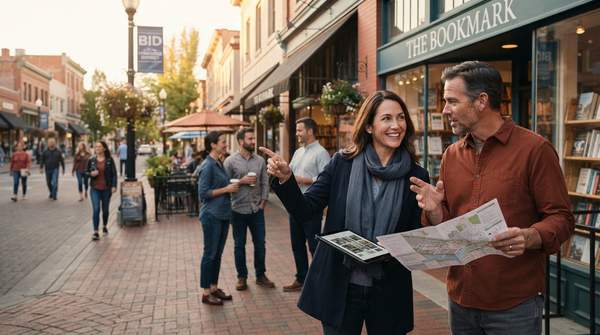
In 2026, local chambers of commerce are proving to be more vital than ever for small businesses navigating a complex economic landscape. While small business confidence remains stable, persistent challenges like inflation demand adaptive strategies. My analysis reveals that local chambers are responding by evolving beyond traditional networking, embracing digital tools, and fostering deeper community engagement to support growth and resilience.
These organizations are not merely directories but dynamic hubs connecting businesses with customers, organizing events, and enhancing local branding. Despite facing their own operational hurdles, chambers are strategically positioning themselves to empower entrepreneurs and strengthen local economies, making their resources increasingly valuable for small businesses seeking to thrive and make informed decisions about their engagement.
The 2026 Small Business Economic Landscape: Resilience Amidst Rising Costs
Small businesses across the United States are demonstrating a notable degree of resilience in 2026, even as they contend with significant economic pressures. According to the U.S. Chamber of Commerce Small Business Index for the second quarter of 2026, small business confidence held steady, with the Index score at 66.5, nearly unchanged from the previous quarter's 67.0. This figure also represents a slight increase from the 65.2 recorded at the same time last year.
The report, which surveyed 751 small business owners and operators between May and June 2026, indicates that approximately seven out of ten small business owners, or 69%, continue to report stable business health. This is a marginal increase from 68% a year prior. However, this stability comes with a notable and growing challenge: inflation. The percentage of small business owners citing inflation as their top concern has jumped significantly, from 48% in Q2 2025 to 57% in Q2 2026. This highlights a persistent and intensifying cost pressure that businesses must actively manage. In this environment, the role of local chambers in fostering resilience and providing practical support becomes even more critical, helping businesses navigate these economic headwinds and maintain their stability.